
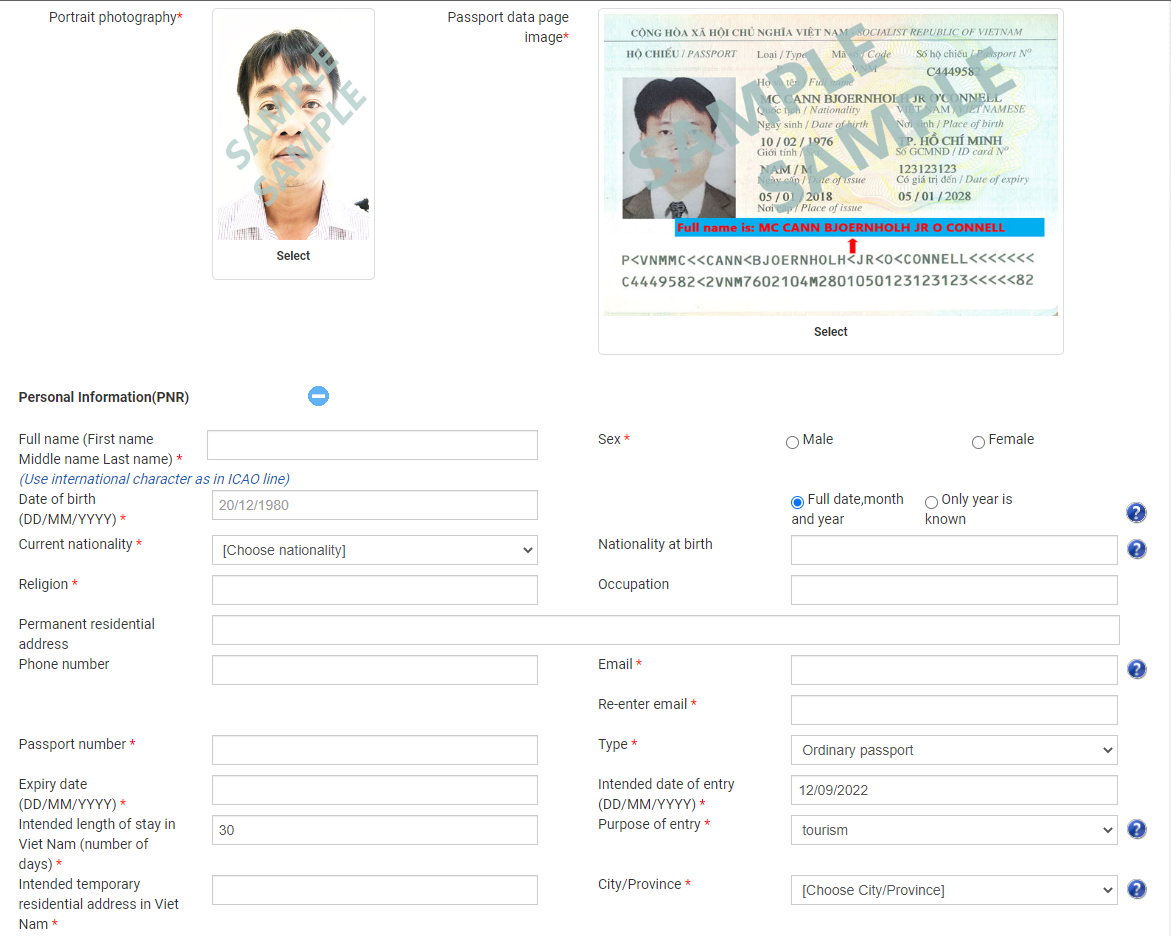
Navigating international travel regulations can often be daunting, especially when considering visa requirements for different countries. For New Zealand citizens eager to explore Vietnam’s vibrant culture, breathtaking landscapes, and historic sites, understanding the Vietnam E-visa process is essential. This guide provides an in-depth look at the Vietnam E-visa for New Zealand citizens, simplifying the application process and offering valuable insights into travel preparations.
The Vietnam E-Visa Service for New Zealand Citizens – Your Gateway to Southeast Asia’s Hidden Gem
The Vietnam E-visa has revolutionized how travelers from New Zealand plan their trips. It offers a streamlined, digital pathway that simplifies entry procedures, saving time and reducing travel frustrations. In recent years, the Vietnamese government has emphasized the importance of digitalization, making E-visas an integral component of their tourism strategy.
Applying for a Vietnam E-visa for New Zealand citizens is an excellent choice for those planning short visits or leisure trips. It is particularly suited for travelers who prefer to minimize paperwork, avoid lengthy consulate procedures, and get quick approval for their journey. This digital approach is a testament to Vietnam’s commitment to welcoming international tourists efficiently.
Understanding the core details of the Vietnam E-visa for New Zealand citizens — such as eligibility, requirements, and processing times — will empower travelers to prepare adequately. This progress in digital services underscores Vietnam’s openness and its effort to boost tourism by making visa applications more accessible and user-friendly.
Why New Zealand Citizens Should Consider the Vietnam E-Visa – Benefits Travel Impact
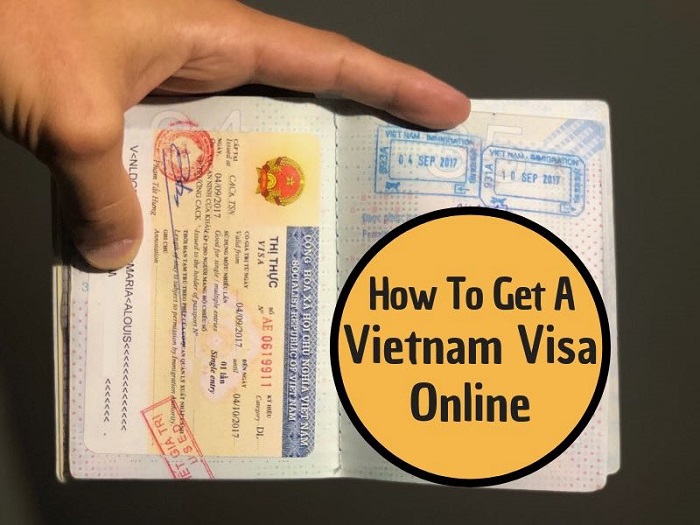
The benefits of obtaining a Vietnam E-visa extend beyond mere convenience. For New Zealand citizens, this visa option opens doors to explore Southeast Asia’s diverse landscapes with minimal barriers. This section considers how the E-visa impacts travel plans, affordability, and overall experience.
The primary advantage of the Vietnam E-visa for New Zealand citizens is the simplicity and speed of the application process. Unlike traditional visa methods, which often involve in-person visits to embassies or consulates, the E-visa only requires online submission, making it an appealing option amid busy schedules or travel restrictions. Once approved, travelers can swiftly obtain their official letter and carry out the final entry formalities at Vietnamese ports of entry.
In addition to convenience, the E-visa enhances travel flexibility. It allows multiple entry options within a specified validity period, typically 30 days for tourism purposes. This flexibility is particularly beneficial for travelers planning multi-destination trips or short leisure visits. Moreover, the E-visa reduces overall travel costs by eliminating in-person consulate fees and courier charges, making Vietnam more accessible for budget-conscious tourists.
Beyond financial and logistical benefits, the E-visa fosters a sense of security and transparency. Travelers are kept informed throughout the application process via instant updates, and the digital nature reduces the risk of document misplacement. With the Vietnam E-visa, New Zealand visitors can make informed, hassle-free travel arrangements, focusing more on the adventure ahead.
How to Apply for the Vietnam E-Visa as a New Zealand Citizen – Step-by-Step Guide
Embarking on a trip to Vietnam with an E-visa demands understanding the application procedure. This straightforward process is designed to accommodate travelers of all experience levels. New Zealand citizens can complete their E-visa applications efficiently with a clear step-by-step approach.
First, eligible travelers should ensure their passport is valid for at least six months beyond their intended period of stay in Vietnam. This requirement is fundamental to avoid application or entry problems. Checking the latest regulations from the Vietnamese government guarantees compliance, especially considering occasional updates in visa policies.
Once eligibility is confirmed, applicants need to access the official Vietnam E-visa portal or authorized third-party services. During the application, they must fill out personal details, provide passport scans, and upload recent passport-sized photographs. The application fee, usually paid online via secure payment gateways, is another necessary step. It’s important to double-check all entered information for accuracy, as errors can delay approval or lead to denials.
After submission, processing times typically range between 3 and 5 business days, though urgent applications may be expedited in some cases. Once approved, the applicant receives an electronic travel authorization, which must be printed and presented at Vietnamese ports of entry along with a valid passport. Travelers should always carry both documents when arriving in Vietnam to avoid complications or refusal of entry.
The entire process emphasizes efficiency and accessibility, making the Vietnam E-visa for New Zealand citizens an ideal option for spontaneous trips or well-planned holidays alike. Proper preparation and adherence to instructions ensure a smooth journey from application to arrival.
Navigating the Entry and Stay in Vietnam with the E-Visa – What to Expect
Careful planning extends beyond securing the visa; understanding the entry procedures, permissible activities, and stay limitations is critical for a seamless experience. This section discusses what New Zealand travelers should anticipate upon arriving in Vietnam with an E-visa.
Upon arrival, travelers should approach the designated immigration counters, presenting their passport and printed E-visa approval letter. The process involves minimal wait times owing to the digitalization effort, although peak season traffic may influence delays. Immigration officers verify the documents, stamp the passport, and provide a visa sticker or endorsement that allows entry into the country.
The E-visa is typically valid for 30 days, allowing single or multiple entries. During this period, tourists can explore many attractions—from Hanoi’s bustling streets and UNESCO World Heritage Sites like Ha Long Bay to the temples of Huế and the Mekong Delta region. It’s vital for travelers to respect the stipulated duration of stay, as overstaying can lead to fines or future travel restrictions.
Travelers should also be aware of the regulations surrounding the use of the E-visa. For example, it only permits visits for tourism, business, or family visits, and crossing into neighboring countries through Vietnam requires proper documentation. Staying compliant ensures a hassle-free experience and smooth future visits to Vietnam.
Emerging from the pandemic era, Vietnam has maintained strict health protocols. Travelers might need to present health declarations or proof of vaccination at border crossings. Being prepared for these protocols ensures peace of mind and uninterrupted exploration.
FAQs About the Vietnam E-Visa for New Zealand Citizens
What is the validity period of the Vietnam E-visa for New Zealand travelers?
The Vietnam E-visa is generally valid for 30 days from the date of arrival, intended for short-term tourism or business trips. It allows for single or multiple entries, depending on the specific visa issued.
Can New Zealand citizens extend their stay in Vietnam beyond the E-visa period?
Extending a stay beyond the 30-day limit requires applying for a visa extension through Vietnamese immigration authorities. However, the E-visa itself cannot be renewed. It’s advisable to plan in advance and seek extension options if needed.
Is it possible to enter Vietnam via land borders with an E-visa?
Yes, some land border crossings permit E-visa holders to enter Vietnam; however, travelers should confirm specific border policies beforehand, as some entries are limited to port of arrival. Always check the latest regulations to avoid issues.
Are there any restrictions or conditions for New Zealand citizens applying for the Vietnam E-visa?
Eligibility generally requires a valid passport, a clean criminal record, and adherence to Vietnam’s entry regulations. Travelers with certain health conditions or previous visa violations should verify their eligibility with official sources.
What should New Zealand travelers do if their E-visa application gets denied?
If denied, travelers can apply for a traditional visa through the Vietnamese consulate or embassy, which might involve more paperwork but offers another pathway to visit.
Conclusion
Securing a Vietnam E-visa for New Zealand citizens has transformed travel planning, making Vietnam more accessible and welcoming to international tourists. The process’s simplicity, speed, and affordability enable travelers to focus on discovering Vietnam’s cultural richness, natural beauty, and historical treasures without cumbersome bureaucratic procedures. Understanding the application and entry details ensures a smooth journey, while staying informed about regulations helps avoid common pitfalls. As Vietnam continues investing in digital infrastructure, the E-visa system promises even more efficiency and convenience, solidifying Vietnam as a top Southeast Asian travel destination for New Zealanders eager to explore new horizons with ease.