
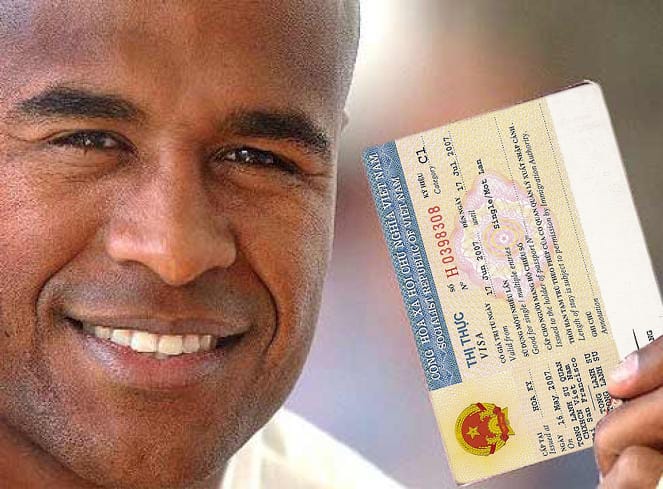
Understanding the process of Vietnam visa extension for Filipinos is crucial for anyone planning a prolonged visit to Vietnam. Whether for business, leisure, or personal reasons, knowing the steps, requirements, and tips can save you time and prevent unnecessary complications.
Vietnam continues to be a popular destination for Filipinos due to its vibrant culture, scenic landscapes, and warm hospitality. However, many visitors find themselves needing to extend their visa to fully enjoy their stay without legal concerns. This guide aims to provide comprehensive insights into the visa extension process, highlighting crucial steps, common challenges, and practical strategies tailored for Filipinos.
Unlocking the Secrets of Vietnam Visa Extension for Filipinos – A Gateway to More Adventures
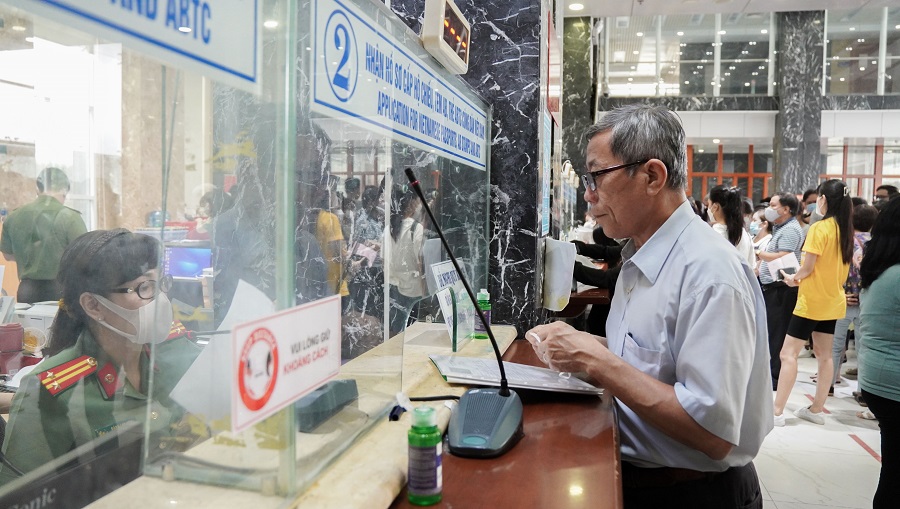
The process of Vietnam visa extension for Filipinos can seem daunting at first glance, especially with the different types of visas and varying regulations. However, with proper preparation and understanding, it becomes a manageable task that opens up more opportunities to explore Vietnam beyond the initial visa duration. Whether you’re in Vietnam on a tourist visa, business visa, or other categories, this section explores the foundational aspects of extending your stay legally and smoothly.
Having a valid visa extension is not only a legal requirement but also an opportunity to immerse yourself more deeply in Vietnam’s rich culture. It offers the flexibility to pursue activities without the concern of overstaying, which can result in fines or visa bans. Understanding the legal framework, proper documentation, and timely planning are vital steps in this journey.
Vietnam has specific rules and policies that may differ slightly based on your visa type and nationality, so it’s essential to stay updated with the latest information from official sources. Filipinos, who often enjoy casual tourism visas, should pay special attention to renewal windows, application procedures, and fee structures. The goal is to make the extension process as seamless as possible, allowing travelers to focus on experiencing the diverse cities, beaches, and mountains Vietnam offers.
Types of Visas and Their Extension Options
Different types of visas have specific rules regarding extensions, and understanding these can help Filipinos plan their stays more effectively. Tourist visas, for example, are typically valid for 30 or 90 days, but extensions might be possible for up to an additional 30 days or more, depending on circumstances.
Business and work visas usually have more flexibility and may be renewable multiple times, especially if you are engaged in ongoing projects or employment. Student visas also follow particular extension protocols if you’re enrolled in a Vietnamese educational institution or engaging in language courses. Each of these categories requires tailored documentation and procedural adherence.
Knowing which visa category you hold and its extension capabilities can significantly influence your planning process. It’s crucial to verify whether your specific visa can be extended directly through Vietnamese immigration authorities or if a change of visa status is necessary. Filipinos should stay proactive by consulting with legal experts or reliable visa agencies to ensure their application is correctly processed.
Why Visa Extension Is Vital for Extended Travel Plans
Sea, mountains, bustling cities, and tranquil villages—Vietnam offers experiences that often extend beyond initial plans. For Filipinos who fall in love with the country and wish to stay longer, securing a visa extension becomes a critical step in their journey. Without it, overstay or unauthorized stay could jeopardize future travel and legal standing.
A timely visa extension not only avoids penalties but also helps in building a positive rapport with immigration authorities. It demonstrates respect for local laws, which can ease future travels and visa applications. Additionally, a valid and extended visa allows travelers to participate in longer-term projects, work, or explore different regions more comfortably.
From a personal perspective, extending your visa is a reflection of your genuine interest in Vietnam. It shows respect for local regulations and a desire to deepen your experiences. For Filipinos, who often indulge in cultural exchanges and building connections, this effort can lead to more meaningful interactions and lasting memories. Proper planning, understanding the process, and ensuring all documents are in order are key to making this process smooth and stress-free.
Step-by-Step Guide to Vietnam Visa Extension for Filipinos – Ensuring a Smooth Application Process
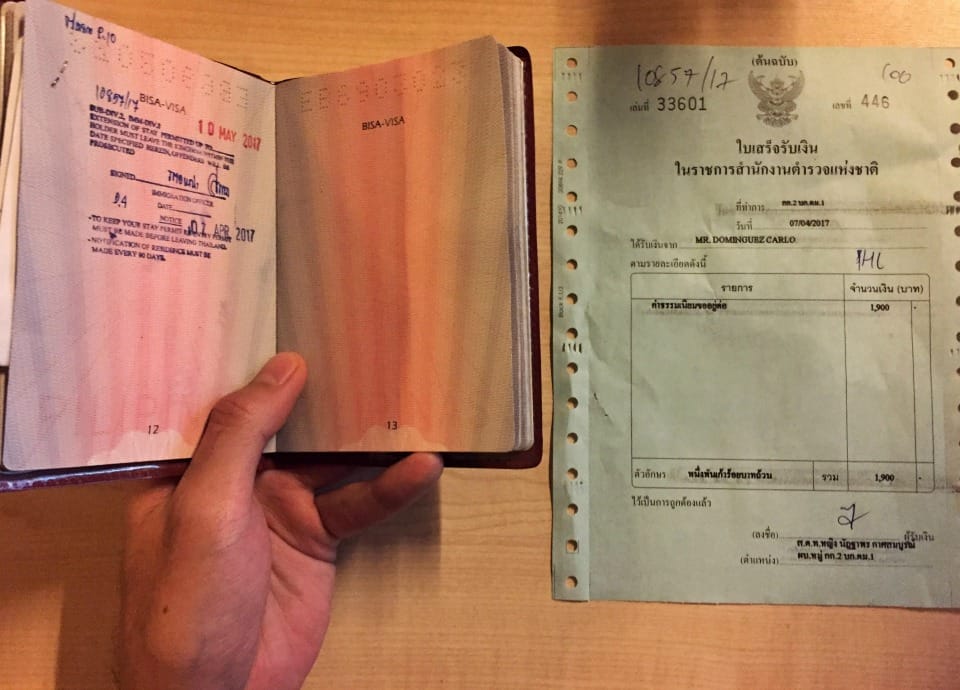
Process clarity is essential to avoid surprises that could endanger your visa status or lead to unnecessary costs. Many Filipinos are unaware of the exact procedures, documents needed, or estimated timelines. This section will guide you through each step of extending your Vietnam visa, highlighting practical tips to streamline your application and avoid common pitfalls.
Understanding the procedural flow, required paperwork, and processing times will empower you to plan your stay better. Whether applying online, through an embassy, or at an immigration office in Vietnam, each route has its nuances that your preparation can optimize.
For Filipinos looking to extend their stay, knowing where and how to file the application is just as important as the documents themselves. The goal is to reduce stress, prevent unlawful overstay, and ensure your continued enjoyment of Vietnam’s vibrant scenes.
Preparing Required Documents and Supporting Papers
The core of your visa extension application hinges on the completeness and accuracy of your documents. Typical requirements include your current visa, passport with remaining validity, visa extension form, passport-sized photos, proof of onward travel, and sometimes proof of accommodation or financial means.
Having all these documents prepared beforehand saves time and minimizes errors. Make sure your passport has sufficient validity beyond the intended stay extension—most authorities require at least six months of validity remaining. Additionally, any supporting documents, such as hotel reservations or an invitation letter (if applicable), should be clear and valid.
From a personal perspective, organizing your paperwork meticulously conveys your seriousness and compliance with Vietnamese visa policies. It also helps prevent delays caused by requests for additional documents. For Filipinos unfamiliar with the specific requirements, consulting with a visa agent or reviewing official government sites will provide tailored guidance, ensuring no essential document is overlooked.
Submitting the Application and Waiting for Processing
Once all documents are prepared, submission can be made through different channels depending on your location—embassy, visa agencies, or directly at Vietnamese immigration offices within the country. Each pathway comes with its own processing timeframes; generally, it ranges from a few days to a week or more.
Being aware of the processing times allows you to plan your travels and avoid unnecessary overstay penalties. It’s advisable to submit your application well before your current visa expires, ideally at least a week in advance, to account for unforeseen delays. Some Filipinos opt for express services, especially if their trip is coming to an end, but these often come with higher fees.
Patience and persistence are important during this phase. If your application is approved, you’ll receive a visa extension sticker or document that must be affixed to your passport. If denied, understanding the reasons and rectifying issues promptly can save future attempts. Engaging with experienced visa consultants can often improve your chances of approval and streamline the process.
Handling Unexpected Challenges and Tips for a Successful Extension
Visa extensions are generally straightforward, but unexpected issues may arise, such as incomplete documents, procedural errors, or processing delays. Filipinos should be prepared to address these calmly and professionally.
One practical tip is to maintain regular communication with the Vietnamese immigration authorities or your visa agent, if involved. Ensuring all your contact details are up to date facilitates quick notifications regarding your application status. If denied, request a clear explanation and seek advice on reapplication or alternative options, such as leave to stay or changing your visa status.
Furthermore, staying compliant by not overstaying your current visa and renewing well in advance minimizes risk. For those who encounter difficulties, seeking assistance from Filipino diplomatic missions like embassies or consulates can provide additional support and guidance.
Finally, consider engaging professional visa services if your case involves complex circumstances, such as multiple extensions or visa changes. Their expertise can greatly enhance your chances of success while alleviating stress.
FAQs About Vietnam Visa Extension for Filipinos
How long can I extend my Vietnam tourist visa for Filipinos?
You can typically extend your tourist visa for up to 30 days at a time, with some cases allowing longer extensions depending on the visa type and immigration rules. It’s essential to verify specific durations in the official guidelines or consult an expert.
Can I extend my Vietnam visa online?
Currently, some visa extension processes can be initiated online through authorized agencies or the Vietnamese immigration portal. However, many Filipinos prefer in-person applications at Vietnamese embassies or immigration offices for reliability and clarity.
What are the common requirements for visa extension in Vietnam?
Generally, required documents include your current visa, passport, completed application form, passport-sized photos, proof of onward travel, and sometimes proof of accommodation or financial capability.
What should I do if my visa extension application gets denied?
If denied, review the reasons provided, correct any shortcomings, and reapply if possible. Seeking assistance from legal experts or Vietnamese immigration consultants can help clarifying issues or exploring alternative options.
Can I change my visa type during extension?
Changing visa types may be possible but usually requires leaving Vietnam and reapplying from abroad or applying for a different visa category through official channels. Consulting with visa specialists can help determine the best approach for your situation.
Conclusion
Navigating the process of Vietnam visa extension for Filipinos involves understanding the types of visas, preparing all necessary documentation, and choosing the right application channel. By being proactive, organized, and aware of the procedural nuances, Filipino travelers can extend their stay legally and comfortably, enjoying more of Vietnam’s beautiful landscapes, rich culture, and warm hospitality. Proper planning and adherence to regulations yield a seamless experience, allowing for deeper immersion and memorable adventures. Whether for leisure, business, or study, securing an extension ensures your journey in Vietnam remains smooth and fulfilling, opening doors to more unforgettable moments.