
If you’re planning to visit Vietnam and currently residing in Hong Kong, understanding how to apply Vietnam visa from Hong Kong is essential to ensure a smooth and hassle-free travel experience. Whether you’re traveling for tourism, business, or family visit purposes, knowing the application process, requirements, and options available from Hong Kong helps you prepare efficiently. This article provides a comprehensive guide to assist you step-by-step through the process, highlighting current regulations and practical tips.
Understanding the Types of Vietnam Visa Available from Hong Kong
Before diving into the application procedures, it’s crucial to understand the different types of Vietnam visas accessible for travelers from Hong Kong. Visa options vary depending on the purpose, duration of stay, and entry method. The most common types include tourist visas, business visas, and e-visas, each serving specific needs and offering different application pathways.
Choosing the right visa type is fundamental because it determines the application process, required documents, and validity period. For instance, if you intend to visit Vietnam for leisure with a short stay, a tourist visa might be suitable — primarily obtained through visa approval letters or visa on arrival options. Conversely, for business trips or long-term plans, a business visa or multiple-entry visa could be more appropriate, often requiring more extensive documentation and approval processes. Familiarizing yourself with these options helps you select the most efficient path aligned with your travel objectives.
The Vietnamese government has increasingly streamlined visa procedures to attract tourists and investors. Recent reforms include the introduction of e-visas for passport holders from specific countries, including Hong Kong residents, making the process even more straightforward for eligible applicants. However, restrictions and requirements might change, so always verify current policies before proceeding with your application.
Tourist and Business Visa Differentiation
While both visas permit entry into Vietnam, they differ significantly:
- Tourist visas typically grant 30 to 90 days of stay and are suitable for leisure, family visits, or short cultural trips.
- Business visas can offer longer durations and multiple entries, ideal for work, conferences, or investment purposes.
Knowing these distinctions enables you to prepare appropriate documentation and select the best route according to your travel needs.
How to Obtain a Vietnam Visa Through Visa on Arrival and E-visa Options from Hong Kong
There are primarily two smooth and accessible methods for obtaining a Vietnam visa from Hong Kong: Visa on Arrival (VOA) and the e-visa. Both procedures are increasingly popular due to their simplicity, speed, and convenience, especially for short-term visits.
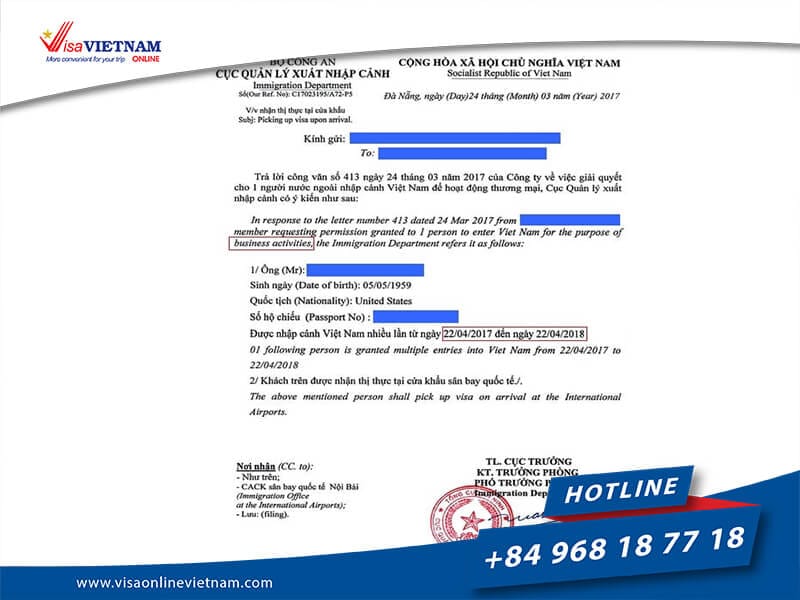
Visa on Arrival is a unique method where travelers apply online for an approval letter before arriving in Vietnam. Upon arrival at designated airports, travelers present this letter, pay stamping fees, and receive their visa on the spot. This method is preferred by many due to its quick processing time, often within 2-3 business days, and minimal paperwork.
Alternatively, the e-visa allows eligible Hong Kong residents to apply directly online through the Vietnamese immigration authority’s website. The e-visa is valid for 30 days, single entry, and suitable for tourists or short-term visitors who meet the criteria. The online application process generally takes 3 to 5 working days, and once approved, travelers can print the e-visa to show upon entry.
Before opting for either method, it’s vital to assess your travel dates, purpose, and length of stay to choose the most suitable approach. For example, if you plan a longer trip or more than one entry, applying via traditional embassy procedures or a business visa might be better, but for quick leisure visits, VOA or e-visas could save significant time.
Applying for a Vietnam Visa on Arrival in Hong Kong
To apply for a VOA, you need to submit your details and passport scan through a reputable visa agency online. They will process your application and send you an approval letter via email. Once you arrive in Vietnam, present the letter to the immigration officers along with your passport, pay the stamping fee, and obtain your visa stamp. Ensure your passport has at least six months of validity beyond your planned departure date.
Applying for an E-visa from Hong Kong
Online e-visa applications are straightforward: fill out the application form on the official Vietnamese government portal, attach digital copies of your passport photo and bio page, and pay the fee via secure online payment methods. After approval, download and print the e-visa, and carry it with your passport for your arrival at Vietnam airports.
Step-by-Step Guide to Applying for a Vietnam Visa from Hong Kong
Applying successfully for a Vietnam visa requires understanding each step thoroughly. From preparing documents to knowing where and how to submit applications, meticulous planning ensures smooth processing.
The process generally involves several stages: gathering necessary documents, choosing the right application method, submitting your application, awaiting approval, and preparing for travel. The process can be different based on whether you choose the visa on arrival, e-visa, or visiting the Vietnamese consulate.
If opting for visa on arrival or e-visa, the initial step is to prepare digital copies of your passport, recent passport-sized photographs, and any supporting documents that demonstrate your purpose of visit. For business visas or longer stays, additional documents like invitation letters, company sponsorships, or proof of funds may be required.
Once documents are ready, select a reliable visa service provider or access the official online portal. Carefully fill out all information, double-check for accuracy, and pay the applicable fees. Once you receive your approval letter or e-visa document, make sure to review all details thoroughly, including your name, passport number, and travel dates.
Finally, upon arrival at Vietnam airports, carry all documents, including your printed approval letter or e-visa, passport, and any additional supporting papers. Follow the instructions of the immigration officers, pay any additional fees if required, and enjoy your trip.
Important Tips for a Successful Application
When applying for a Vietnam visa from Hong Kong, it’s crucial to pay attention to passport validity — your passport should be valid for at least six months from your planned entry date. Follow the application instructions meticulously and verify all details before submission to avoid delays or rejections. Using trusted visa agencies or official governmental portals ensures your data privacy and reduces the risk of scams. Keep copies of all correspondence and documents in case of emergencies or clarifications during the process, and plan your application well in advance to account for any unforeseen delays.
FAQs about Applying Vietnam Visa from Hong Kong
How early should I apply for my Vietnam visa from Hong Kong?
It’s recommended to apply at least 5-7 business days before your planned departure date to allow enough time for processing and to accommodate any unexpected delays. For peak travel seasons or longer visas, applying 2-3 weeks in advance is prudent.
Can I extend my Vietnam visa if I am in Hong Kong?
Visa extensions are typically processed within Vietnam through the immigration authorities there. From Hong Kong, you need to apply for an extension after arrival in Vietnam, or consider a longer-term visa initially to avoid multiple extensions.
Is it necessary to visit the Vietnamese consulate in Hong Kong?
No, it’s not mandatory if you are applying via visa on arrival or e-visa. The consulate provides traditional visa services, but the process can be more time-consuming, involving in-person visits and longer processing times. Online methods are usually more convenient for short-term visitors.
Are Hong Kong residents eligible for Vietnam e-visas?
Yes, under current policies, residents of Hong Kong Special Administrative Region (SAR) are eligible to apply for Vietnam e-visas through the official portal, simplifying their travel planning process.
What should I do if my Vietnam visa application is rejected?
If your application is rejected, review the reasons provided carefully — common causes include incomplete documentation, discrepancies, or passport validity issues. Correct the issues, gather additional documents if needed, and reapply. Consult the Vietnamese embassy or a reputable visa service for guidance.
Conclusion
Understanding how to apply Vietnam visa from Hong Kong is a vital step for any traveler planning a trip to Vietnam. With multiple options such as visa on arrival and e-visa, the process has become more accessible than ever. Preparing the necessary documents, choosing the suitable method, and applying via trusted sources can streamline your journey from Hong Kong to Vietnam. By staying informed of current procedures and requirements, travelers can ensure a stress-free experience and enjoy their visit to Vietnam’s vibrant culture, natural beauty, and dynamic cities with confidence.